Wall Panelling Ideas for Irish Homes: Styles, Rooms and What to Know Before You Start
By Shane Murray ·
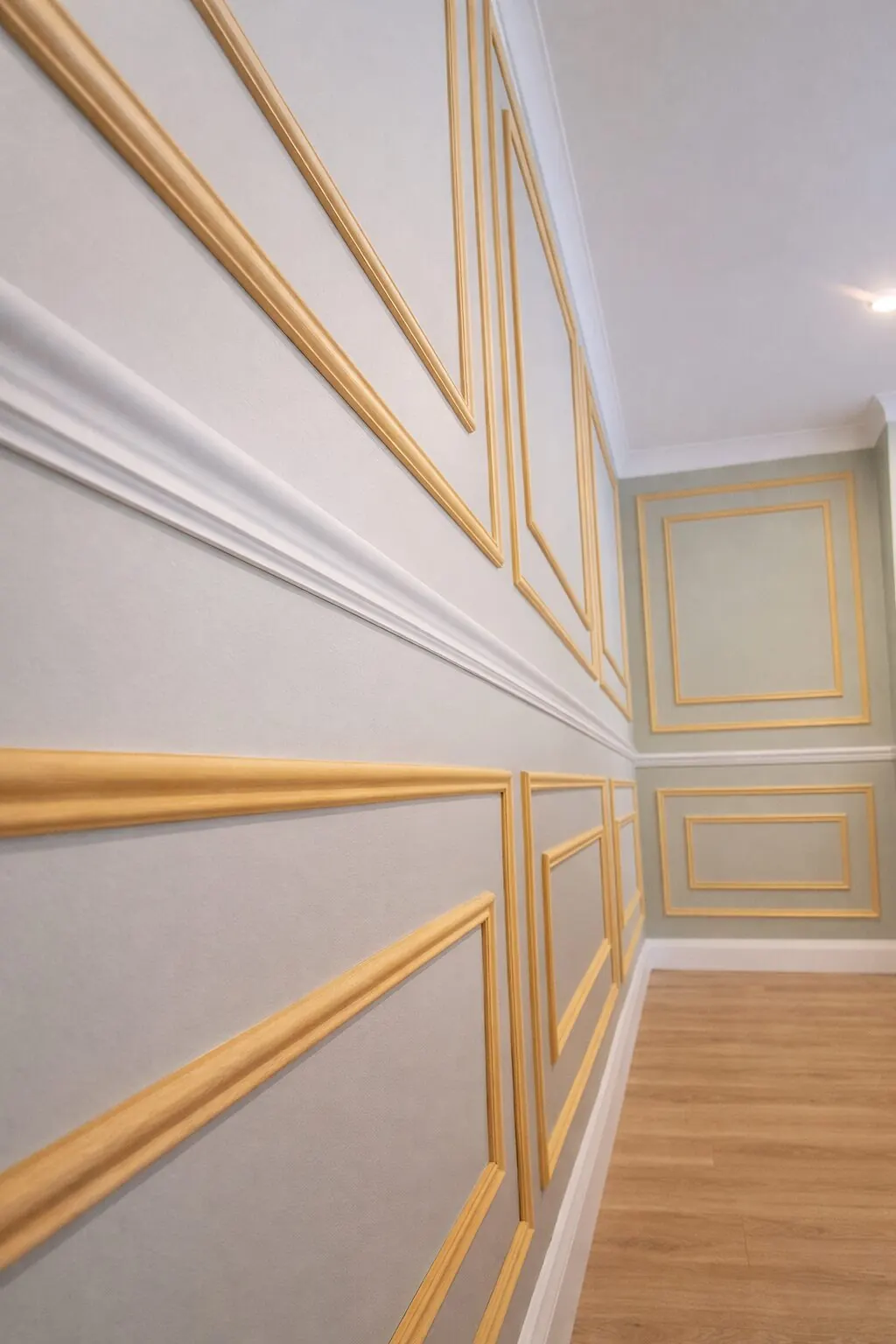
Wall panelling is one of the quickest ways to make a room feel finished. It adds character to a plain new build, brings back period charm in an older house and protects the walls in busy spaces like hallways. It's also one of the jobs we're asked about most.
Here are the main styles, the rooms where panelling works best, and what to think about before you start.
The main panelling styles
- Shaker or box panelling. Simple square or rectangular frames. Clean and timeless, and it suits almost any home.
- Half height panelling. Panelling on the lower part of the wall with a rail along the top, sometimes called wainscoting. Great for hallways, stairs and dining rooms.
- Full height panelling. Floor to ceiling panels for a bold feature wall, often behind a bed or a TV.
- Slat panelling. Vertical timber slats with small gaps between them. A modern look that works well on TV walls and in home offices.
- Board and batten. Flat boards with narrow strips over the joints. Simple, a little rustic and good for a cottage feel.
- Picture frame mouldings. Thin decorative mouldings in large frames, perfect for period homes and high ceilings.
The best rooms for panelling
Hallways and stairs. The hardest working walls in the house. Half height panelling protects them from bags, buggies and bikes, and a painted finish wipes clean.
Bedrooms. A full height panelled wall behind the bed acts as a built in headboard and gives the room a focal point.
Living rooms. A panelled or slatted TV wall hides cables and makes the space feel designed rather than furnished.
Dining rooms. Half height panelling with a darker colour below and a lighter wall above gives a classic, cosy feel.
Home offices. Slat panelling looks smart on video calls and can help soften echo in a small room.
Bathrooms. Panelling can work in a bathroom, but it needs moisture resistant board, a proper sealed paint finish and careful placement away from direct water.
Colour ideas
- Dark and moody. Deep greens, navies and charcoals look rich on panelling, especially in hallways, dining rooms and snugs.
- Colour drenching. Paint the panelling and the wall above the same colour for a calm, modern look.
- Two tone. A stronger colour on half height panelling with a softer shade above.
- Classic white or off white. Keeps a small room bright while still adding texture.
What to know before you start
Walls are rarely straight. Most Irish walls have dips, bumps and corners that aren't square. Good panelling is scribed and adjusted to look straight even when the wall isn't, which is where a lot of DIY jobs go wrong.
Plan around sockets, switches and radiators. These need to be worked into the layout so the panels line up neatly around them rather than being cut off at odd points.
Think about the skirting. Panelling usually looks best when it works with the skirting and any dado rail, so it's worth deciding whether to keep, replace or remove them.
The finish takes time. For a smooth, professional look, the panelling needs filling, caulking and priming before the final coats of paint. Ask whether painting is included in your quote.
Measure the whole room, not just the wall. The size and spacing of the panels should suit the height of the ceiling and the width of the wall, so the pattern looks balanced.
What affects the cost
The price depends mainly on:
- The size of the wall or room.
- The style. Simple shaker panelling is quicker than detailed mouldings or slats.
- How many sockets, switches, windows and radiators need to be worked around.
- The condition of the walls.
- Whether painting is part of the job.
The easiest way to get an accurate price is a free site visit and a written quote.
Frequently asked questions
How long does it take to panel a wall? A single feature wall is often done in a day or two. A full hallway, stairs and landing takes longer. We'll give you a clear timeline with your quote.
What is wall panelling made from? Most painted panelling is made from MDF, which gives a smooth finish and stays stable. Moisture resistant MDF is used in kitchens and bathrooms.
Can panelling go on a stairway? Yes, and it's one of the best places for it. It needs careful setting out so the panels follow the angle of the stairs neatly.
Do you cover my area? We work across Dublin City, North Dublin, South Dublin, Wicklow, Kildare and Meath.
Get a free quote
If you'd like panelling in your home, ring us on 085 279 9413 or email info@smurrayscarpentry.ie to book a free site visit and written quote.